Mahakali Caves

About

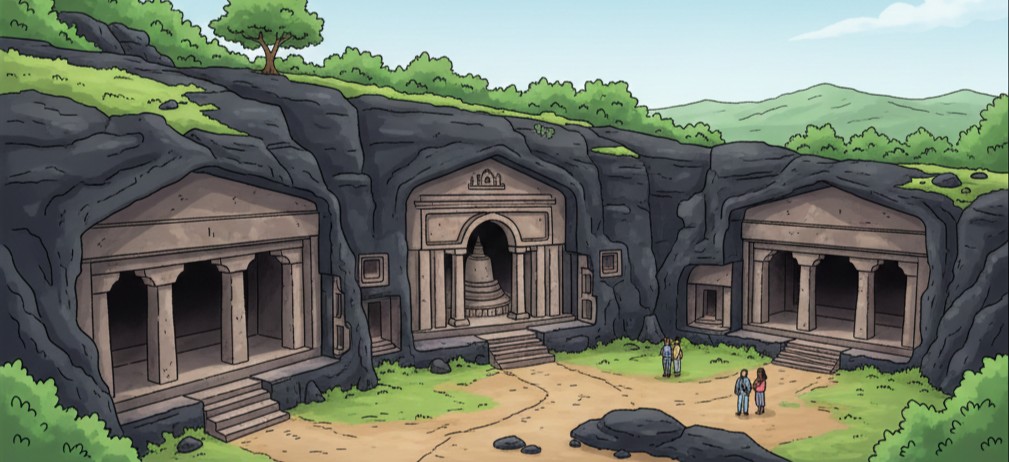
Mahakali Caves in Mumbai are one of the city’s oldest Buddhist archaeological sites, offering a peaceful pocket of history amidst the bustle of Andheri East. Also known as Kondivite Caves, the complex dates between 1st century BCE and 6th century CE and features a series of simple monastic structures carved into a black basalt hill. The site highlights early Buddhist life, meditation practices and minimalistic rock-cut architecture typical of the Hinayana tradition.

Key Highlights:

  • Ancient cluster of 19 rock-cut caves spread across two hill sections.
  • Strong association with Hinayana Buddhist traditions and early monastic settlements.
  • Presence of viharas, meditation chambers, stone platforms and small shrines.
  • Cave 9, the most significant, containing a small chaitya and stupa structure.
  • Pali/Brahmi inscriptions that shed light on monks, donors and cave usage.
  • Hilltop location offering quiet surroundings and views of JogeshwariPowai.
  • A comparatively less crowded site, ideal for short visits and photography.
  • Managed by the Archaeological Survey of India (ASI).
  • Entry generally free and often open between morning and early evening hours.

Why Visitors Appreciate Mahakali Caves:

  • A rare chance to experience 2,000-year-old Buddhist heritage within Mumbai city limits.
  • Suitable for solo travellers, heritage walkers and photography enthusiasts.
  • Provides a quick escape from traffic-heavy neighbourhoods into nature and calm.
  • Ideal for learners, school groups and archaeology lovers due to its accessible layout.
History

Mahakali Caves in Mumbai, historically known as Kondivite Caves, represent one of the earliest phases of Buddhist rock-cut activity in the region. Their development spans from 1st century BCE to 6th century CE, covering nearly 600 years of monastic evolution. The caves illustrate how early Buddhist monks lived, meditated and expanded their settlement on a basalt hill overlooking present-day Andheri East.

Historical evolution of Mahakali Caves:

  • Originated during the early Hinayana Buddhist period, when simple caves were carved for shelter and meditation.
  • Expanded gradually as more monks joined the community over the next several centuries.
  • Contains 19 caves, carved into two clusters, reflecting changing needs of the monastic order.
  • Early phases include basic viharas with stone benches and plain square chambers.
  • Later phases show the addition of Cave 9, a small chaitya hall with a stupa, indicating ritual usage.
  • Pali/Brahmi inscriptions discovered here mention donors and monks, helping date the caves and understand patronage.
  • Archaeological references connect the site to the ancient cave network across JogeshwariPowaiAndheri.
  • Construction ceased by around 6th century CE due to shifting monastic centres and changing political-religious patterns.

Why the caves are historically significant

  • Among Mumbai’s oldest surviving architectural remains.
  • Provides insight into the earliest phase of rock-cut architecture in the region.
  • Shows how small, functional caves formed the base for later grand Buddhist cave complexes.
  • Offers valuable inscriptions from the city’s ancient cultural landscape.


Architecture & Key Caves

The architecture of Mahakali Caves in Mumbai reflects the simplicity and spiritual focus of early Hinayana Buddhist craftsmanship. Carved entirely from black basalt, the caves are functional, modest and designed primarily as monastic spaces rather than grand artistic monuments. Their layout, features and inscriptions collectively reveal how monks lived, meditated and practised rituals nearly 2,000 years ago.

Overall architectural character:

  • Carved into a basalt hill overlooking Andheri East.
  • Emphasis on simplicity, minimal ornamentation and practical monastic design.
  • Rectangular and square chambers formed using basic rock-cutting tools.
  • Presence of open verandas, rough pillars and stone benches.
  • Two main cave clusters spread across the hillside.

Key caves and highlights:

  • Cave 9 – the most important cave:
    • Contains a small chaitya hall.
    • Features a modest stupa indicating ritual importance.
    • Shows clearer planning than other viharas.
  • Viharas (monastic residences):
    • Stone platforms for resting.
    • Used for meditation, studies and monk activities.
    • Simple square rooms with minimal ornamentation.
  • Meditation chambers:
    • small, quiet rooms cut deeper into the hill.
    • Likely used by monks for prolonged meditation.


Archaeological findings and inscriptions:

  • Pali/Brahmi inscriptions mentioning donors and monks.
  • Help date the caves between 1st century BCE and 6th century CE.
  • Reveal early monastic community life in the Andheri region.

Architecture today:

  • Some caves show erosion due to soft basalt.
  • Structural layout remains understandable for visitors and researchers.
  • Reflects Mumbai’s earliest rock-cut heritage.
0213
Visitor Experience

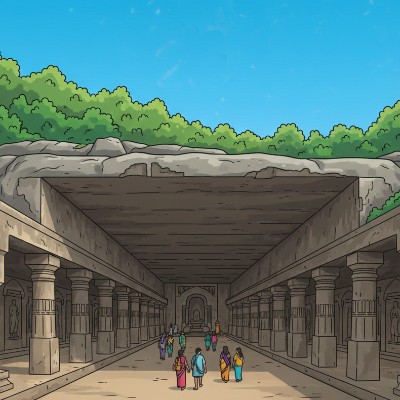
A visit to Mahakali Caves in Mumbai offers a quiet, refreshing break from the busy lanes of Andheri East. The experience is simple, peaceful and rooted in heritage, making it ideal for travellers who enjoy archaeology, photography and short nature walks. The caves are usually uncrowded, giving visitors ample time to explore the chambers, admire the basalt carvings and enjoy the elevated views around the hill.

What visitors typically experience:

  • A calm, uncrowded environment compared to larger cave complexes.
  • A short, manageable climb up the hill to reach the cave clusters.
  • Natural greenery, rock surfaces and open spaces around the caves.
  • Freedom to explore viharas, meditation cells and Cave 9.
  • Cool cave interiors offering pleasant shade from the heat.
  • Serene spaces ideal for quiet reflection.
  • Visible erosion and weathering showing the site's ancient age.

Good for:

  • Heritage enthusiasts and archaeology lovers.
  • Solo travellers seeking peaceful experiences.
  • Photographers looking for cave textures and light-play.
  • Students and families exploring Mumbai’s Buddhist history.

Things to keep in mind during your visit:

  • Limited facilities available at the site.
  • Cleanliness and maintenance may vary seasonally.
  • Best visited in the morning or late afternoon to avoid heat.
  • Uneven steps and slopes require careful walking.
  • Carry water, snacks and comfortable footwear.

Overall, Mahakali Caves offer a meaningful and peaceful heritage experience that feels refreshingly disconnected from city noise, making it perfect for a short cultural stop.


Facts, Myths & Local Tales

Mahakali Caves in Mumbai carry archaeological importance along with local stories and small folklore. While history shows a peaceful Buddhist monastic site, the cave’s hilltop setting and weathered interiors have inspired many myths.

Interesting facts about Mahakali Caves:

  • One of Mumbai’s oldest cave groups, dating from 1st century BCE to 6th century CE.
  • Contains 19 caves spread across two basalt hill clusters.
  • Built in the Hinayana Buddhist tradition with simple, functional design.
  • Cave 9 includes a small chaitya and stupa.
  • Pali/Brahmi inscriptions indicate donors and historical timelines.
  • A popular spot for photographers, cyclists and heritage walkers.

Local myths & tales (folklore, not historical):

  • Some locals casually refer to the caves as “haunted”, largely because of their dark chambers and isolated corners — however, this is purely folklore.

  • Stories floating online compare the caves’ ambience to ancient retreats used for secret meditation, though no evidence supports this.

  • A few urban tales suggest that some caves were used as “hidden escape zones” by monks, which archaeologists confirm is unlikely.

  • Evening visitors often mention the eerie silence, which adds to the mythic charm but is simply due to the lack of crowds.

Why these tales persist:

  • The caves are often quiet, shaded and less maintained, amplifying imagination.

  • Minimal lighting and natural shadows create dramatic visuals.

  • Old inscriptions and rough stone textures give the site an ancient, mysterious feel.

Overall, these myths add cultural flavour to the site, but the true story of Mahakali Caves remains rooted in early Buddhist monastic life.

0413
How to Reach 🚌🚇

Reaching Mahakali Caves in Mumbai is convenient due to its central position in Andheri East. Travellers can choose from multiple transport options including metro, train, auto, taxi and BEST buses. The final stretch usually involves a short walk or uphill climb via Mahakali Caves Road.


  • By Air ✈️
    Nearest Airport: Chhatrapati Shivaji Maharaj International Airport (4–6 km)
    Auto: Rs 60–120
    Taxi: Rs 150–250
    Travel time: 15–25 minutes
  • By Train 🚆
    Nearest Station: Andheri (Western Line)
    Auto: Rs 70–120
    BEST buses: Rs 10–25
    Travel time: 15–20 minutes
  • By Metro 🚇
    Closest Stations: JB Nagar, Chakala, Saki Naka

    From metro stations:
    Autorickshaw to caves: Rs 40–80
    Cab: Rs 100–180
    Travel time: 10–15 minutes
  • By Road / Taxi 🚗
    • The caves lie off Mahakali Caves Road, easily accessible from JVLR, SEEPZ, MIDC and Andheri East.
    • Parking is limited near cave entrance; advisable to use cabs/autos
    • Taxi/Cab fares from majot hubs:
      • from Powai: Rs 120–200
      • from Ghatkopar: Rs 150–250
      • from Bandra: Rs 250–400
  • By Bus 🚌
    BEST routes through SEEPZ, MIDC, Andheri East, JVLR corridor.
    Fares: Rs 10–25
    5–12 minute walk from drop-off points.
  • Final Approach 🧗‍♂️
    Short uphill walk (5–10 minutes).
    Uneven but manageable path.
    Mini-trek feel within the city.


Food Options / Food Courts Nearby 🍽️

Food options near Mahakali Caves in Mumbai are available mainly around Andheri East, Mahakali Road, SEEPZ and MIDC. There are no eateries at the cave site, but several options lie within 5–10 minutes.

  • Nearby quick bites:
    Local snack shops (vada pav, samosas, tea, sandwiches) — Rs 20–80
    Basic veg/non-veg Indian meals — Rs 80–200
    South Indian cafés — Rs 80–180
  • Restaurants within SEEPZ / MIDC:
    Multi-cuisine dining — Rs 150–350 per person
    Corporate cafés — Rs 150–300
    Thali and daily meals — Rs 120–250
  • Veg-friendly options:
    Pure veg restaurants on Mahakali Road & JVLR connector
    South Indian cafés with breakfast combos
    Affordable snacks suitable for all budgets
  • Non-veg options:
    Chicken and biryani outlets in SEEPZ/MIDC
    Tandoori and Chinese takeaway shops
    Average Rs 150–300 per person
  • Must-try dishes:
    Vada pav and tea on Mahakali Road
    South Indian breakfast (idli, dosa, upma)
    Tandoori starters and fried rice in MIDC area
  • Tips:
    No food stalls inside the site — carry water/snacks.
    Avoid heavy meals before climbing in the heat.
    Plenty of nearby options for all budgets.
0613
Best Time to Visit / Weather Tips

The best time to visit Mahakali Caves in Mumbai is during cooler months or early hours of the day, as the basalt hill can heat up quickly.

Best seasons to visit:

  • October to February
    pleasant, ideal for walking and photography.

  • March to early June
    hot; visit mornings or evenings
  • Monsoon
    greenery and scenic views, but paths may be slippery.

Best time of the day:

  • Early morning (7 AM–10 AM): cool, peaceful, great light.

  • Late afternoon (4 PM–6 PM): comfortable shade and visibility.

Weather-related tips:

  • Carry water as no shops are inside.
  • Wear sturdy footwear for uneven surfaces.
  • Avoid afternoons in summer.
  • Carry umbrella/raincoat in monsoon.
  • Morning and golden hour offer best photos.

Why timing matters:

  • Basalt surfaces heat up during midday.
  • Shadows affect cave visibility.
  • Cooler hours make exploration relaxed.


Best Time to Visit / Weather Tips

The best time to visit Mahakali Caves in Mumbai is during cooler months or early hours of the day, as the basalt hill can heat up quickly.

Best seasons to visit:

  • October to February
    pleasant, ideal for walking and photography.

  • March to early June
    hot; visit mornings or evenings
  • Monsoon
    greenery and scenic views, but paths may be slippery.

Best time of the day:

  • Early morning (7 AM–10 AM): cool, peaceful, great light.

  • Late afternoon (4 PM–6 PM): comfortable shade and visibility.

Weather-related tips:

  • Carry water as no shops are inside.
  • Wear sturdy footwear for uneven surfaces.
  • Avoid afternoons in summer.
  • Carry umbrella/raincoat in monsoon.
  • Morning and golden hour offer best photos.

Why timing matters:

  • Basalt surfaces heat up during midday.
  • Shadows affect cave visibility.
  • Cooler hours make exploration relaxed.


Safety Guidelines ⚠️

Exploring Mahakali Caves in Mumbai is safe, but the terrain and limited facilities require basic precautions.

General safety tips:

  • Walk carefully on uneven steps and rocky slopes.
  • Wear sturdy footwear.
  • Carry drinking water as no stalls are inside.
  • Keep personal belongings secure.
  • Avoid isolated areas in late evening.

Weather-related precautions: 

  • Summer: avoid afternoons; basalt gets hot.
  • Monsoon: slippery surfaces; walk slowly.
  • Carry umbrella or raincoat during rains.

Health & comfort guidelines:

  • Elderly visitors may find steps uneven.
  • Take breaks in warm weather.
  • Carry small first-aid basics.

Wildlife & environment:

  • Avoid feeding stray dogs.
  • Do not disturb birds and small wildlife.
  • Avoid touching inscriptions or fragile rock edges.

Responsible tourism guidelines:

  • Do not litter.
  • Do not scratch cave walls.
  • Maintain a peaceful environment.

Following these safety pointers ensures a smooth and enjoyable visit to Mahakali Caves.

0913
Conservation Status

Mahakali Caves in Mumbai are protected by the Archaeological Survey of India (ASI). As an early Buddhist heritage site, the caves hold high historical value but face natural weathering challenges.

Current protection and management:

  • Listed as an ASI-protected monument.
  • Periodic structural monitoring by ASI.
  • Conservation aims to control erosion and stabilise rock surfaces.
  • Basic signboards and information panels maintained.

Condition of the caves today:

  • Natural erosion visible on basalt surfaces.
  • Weathering affects edges and entrances.
  • Interiors intact but dimly lit.
  • Limited on-site upkeep.

Challenges in conservation:

  • Basalt prone to cracks and seepage.
  • Moderate visitors but limited staff presence.
  • Vegetation sometimes encroaches on cave walls.
  • Lack of modern facilities like railings or lights.

Steps taken for preservation:

  • Regular ASI inspections.
  • Clearing of overgrowth and debris.
  • Non-invasive conservation techniques used.
  • Awareness signboards encourage responsible behaviour.

Visitor role in conservation:

  • Avoid touching or scratching cave walls.
  • Do not litter.
  • Do not climb on fragile surfaces.

Overall, Mahakali Caves remain historically important and structurally stable, but they require ongoing care and responsible visitor behaviour to ensure long-term preservation.


Photography Zones & Tips 📸

Photography at Mahakali Caves in Mumbai offers dramatic contrasts, basalt textures and scenic elevated views.

  • Best indoor spots:
    • Cave entrances with light contrast
    • Cave 9 chaitya and stupa
    • Verandas and pillars
    • Meditation chambers
    • Stone benches and platforms
  • Best outdoor spots:
    • Hilltop views of Andheri East and Powai
    • Approach pathways
    • Rock textures for macro shots
  • Lighting tips:
    • Morning: soft light
    • Late afternoon: warm tones
    • Midday: bright interiors
    • Natural light only inside
  • Equipment tips:
    • Wide-angle lens
    • Tripod (stable placement needed)
    • Fast lens for low light
    • Phones work well in soft light
  • Guidelines:
    • Avoid flash on inscriptions
    • Respect other visitors
    • Watch footing on uneven floors
    • No commercial/drone shoots without permission

Overall, Mahakali Caves offer excellent visual storytelling opportunities for natural light photography, historical textures and serene landscapes.

01113
Visitor Access / Facilities

The layout of Mahakali Caves in Mumbai is simple, with a short uphill approach and basic pathways.

Access to the caves:

  • Reached via Mahakali Caves Road.
  • 5–10 minute uphill walk.
  • Rocky, uneven pathways.
  • Irregular basalt steps at cave entrances.
  • Uneven floors inside due to erosion.

Navigation around the site:

  • Clusters close together and easy to navigate.
  • Clear visibility for self-guided exploration.
  • Some low entrances requiring slight bending.
  • Ideal for slow, mindful walks.

Facilities available:

  • No toilets inside the cave area.
  • No food or water stalls.
  • Basic ASI information boards.
  • Limited shaded areas.
  • Entry generally free.

Accessibility notes:

  • Not suitable for wheelchair access.
  • Elderly visitors may face difficulty.
  • Carry water; no shops on site.
  • Wear good-grip footwear.

Parking & local access:

  • Limited roadside parking.
  • Autos and cabs drop close to the entrance.

Overall, while facilities are minimal, the site is easy to navigate and offers a peaceful heritage experience with basic awareness and preparation.


Quick Facts & Figures

These quick facts summarise key details about Mahakali Caves in Mumbai.

Basic:

  • Location: Andheri East
  • Also known as: Kondivite Caves
  • Managed by: ASI
  • Entry: Free
  • Timings: 7 AM–6 PM (approx.)

History:

  • Age: 1st century BCE to 6th century CE
  • 19 caves in total
  • Hinayana Buddhist style
  • Cave 9 with chaitya and stupa
  • Pali/Brahmi inscriptions

Architecture:

  • Black basalt construction
  • Viharas, meditation chambers, stone benches
  • Simple monastic architecture
  • Two main cave clusters

Visitor info:

  • Low crowds, peaceful visits
  • Uneven paths and steps
  • 30–60 minutes to explore
  • Close to Jogeshwari, Marol, SEEPZ, MIDC, Powai
0


Places Nearby Mahakali Caves
Frequently Asked Questions
Q1: What is the historical significance of Mahakali Caves in Mumbai?
A1: Mahakali Caves in Mumbai are historically important because they date from 1st century BCE to 6th century CE and represent one of the earliest Buddhist monastic settlements in the region, featuring viharas, meditation chambers and inscriptions.
Q2: How many caves are there in the Mahakali Caves complex?
A2: The Mahakali Caves complex in Mumbai consists of 19 rock-cut caves carved into a basalt hill across two clusters.
Q3: What is special about Cave 9 in Mahakali Caves?
A3: Cave 9 at Mahakali Caves is notable because it contains a small chaitya hall with a stupa, making it the most architecturally significant cave in the complex.
Q4: Are Mahakali Caves suitable for elderly visitors?
A4: Mahakali Caves have uneven steps, rocky pathways and a short uphill climb, so elderly visitors may require assistance. The site is not wheelchair-friendly.
Q5: Is there an entry fee to visit Mahakali Caves in Mumbai?
A5: Entry to Mahakali Caves in Mumbai is generally free, as per publicly available sources, since it is managed by the ASI.
Q6: What are the visiting hours of Mahakali Caves?
A6: The usual visiting hours for Mahakali Caves are approximately 7 AM to 6 PM, though timings may vary slightly by season.
Q7: How can I reach Mahakali Caves in Mumbai?
A7: Mahakali Caves can be reached via Andheri Station, JB Nagar Metro or Saki Naka Metro, followed by a short auto ride and a 5–10 minute uphill walk on Mahakali Caves Road.
Q8: Are there any facilities available at Mahakali Caves?
A8: Facilities at Mahakali Caves are minimal, with no toilets, no food stalls and limited shaded areas. Only basic ASI information boards are present.
Q9: Is photography allowed inside Mahakali Caves?
A9: Yes, photography is allowed at Mahakali Caves, but visitors should avoid using flash on inscriptions and be cautious on uneven floors.
Q10: What is the best time to visit Mahakali Caves in Mumbai?
A10: The best time to visit Mahakali Caves is during October to February or during early morning and late afternoon hours when the weather is cooler.
Q11: Are Mahakali Caves really haunted as some people claim?
A11: While some local folklore refers to Mahakali Caves as “haunted,” these claims are myths with no historical basis and likely arise from the caves’ quiet surroundings and dim interiors.
Q12: What type of architecture is seen at Mahakali Caves?
A12: Mahakali Caves display early Hinayana Buddhist rock-cut architecture, featuring simple viharas, meditation chambers and minimal ornamentation carved into basalt.
Q13: Is Mahakali Caves a good place for photography?
A13: Yes, Mahakali Caves are excellent for photography due to their basalt textures, light-and-shadow contrast, cave entrances and views of Andheri–Powai.
Q14: How long does it take to explore Mahakali Caves?
A14: Exploring Mahakali Caves typically takes 30 to 60 minutes, depending on the visitor’s interest in architecture, photography and inscriptions.
Q15: Are there other heritage sites near Mahakali Caves in Mumbai?
A15: Yes, nearby attractions include Jogeshwari Caves, Gilbert Hill, Powai Lake, Chota Kashmir and several sites in SEEPZ and Aarey Colony.